A bra does not expire on a fixed date. Replace it when the band no longer supports you, the cups have lost their shape, the straps will not stay adjusted, or damaged wires and fastenings make it uncomfortable. How often that happens depends on rotation, wear, washing and body changes.
Seven signs a bra is ready to replace
- The band rides up on the tightest hook. Once the elastic has relaxed beyond adjustment, the bra has lost its main source of support.
- The cups look permanently stretched, folded or dented. Reshaping after a wash may help, but lasting distortion changes the fit.
- The straps slip after repeated adjustment. Worn sliders or tired elastic can make them unreliable.
- The wire is exposed, bent or broken. Stop wearing it. A damaged wire can injure the skin and will not support evenly.
- The hooks, eyes or seams are failing. A small repair may be possible, but the fastening must remain secure.
- The fabric is thin or rough where it used to feel stable. Friction and repeated washing gradually change materials.
- Your body no longer fits the bra. The garment may still be intact, but a new size or shape may now be more comfortable.
Why there is no honest six-month rule
A bra worn once a week in a generous rotation will age differently from one worn every day. A light bralette and a firm sports bra also face different loads. Heat, harsh detergent, tumble drying and storing moulded cups crushed together can shorten useful life.
Judge performance rather than the purchase date. Check your most-worn bras every few months, and pay attention when you start tightening straps or fastening the band differently to recreate support that used to be automatic.
How to help bras last longer
- Rotate between several bras and give elastic time to recover between wears.
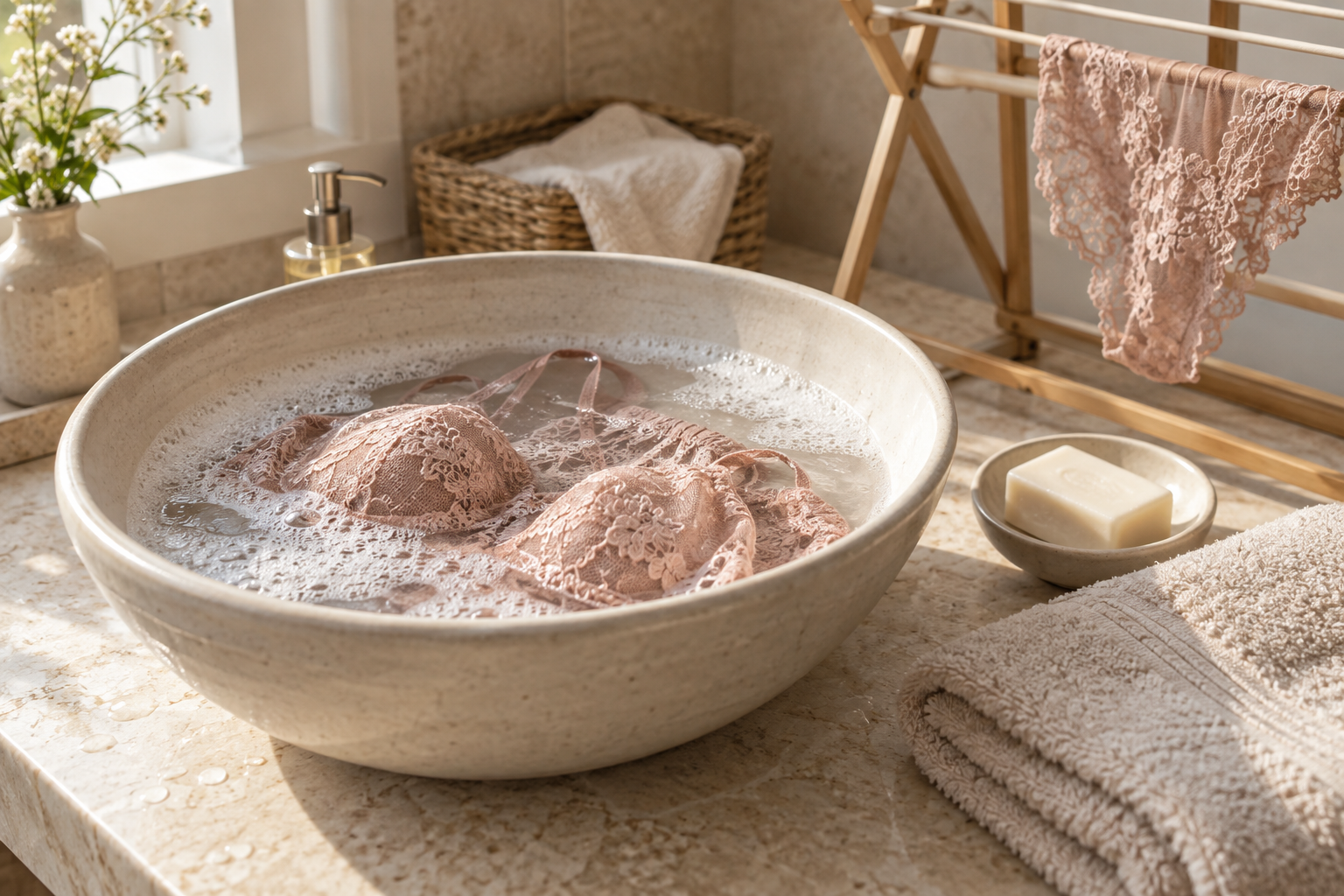
- Follow the care label, use cool water and avoid excessive agitation.
- Fasten hooks before washing and use a lingerie bag if machine washing is permitted.
- Air dry away from direct heat. High heat can damage elastic fibres.
- Store moulded cups without folding one cup into the other.
Our lingerie care guide gives a step-by-step routine.
Replace the fit when your body changes
Breasts can change through pregnancy, breastfeeding, hormonal changes, menopause, weight change and ageing. If a familiar style suddenly pinches or gaps, take fresh measurements and repeat the fit check. The bra may not be worn out, but it may no longer be right for your current body.
Donate only clean, gently used bras that are still structurally sound and accepted by the receiving organisation. Worn-out textiles may be suitable for a local textile recycling scheme. Check the scheme’s current rules before dropping them off.
When you buy a replacement that fits beautifully, note the date and the signs that made the old bra fail. Over time, you will learn the true replacement rhythm of your own wardrobe.
Frequently asked questions
How long should an everyday bra last?
There is no dependable universal lifespan. Frequency of wear, construction and care create a wide range. Replace according to condition and fit.
Can a stretched band be altered?
Sometimes a skilled alterations service can shorten a sound band. It is less worthwhile if cups, straps and fabric are also tired.
Should I throw away a bra with a poking wire?
Stop wearing it immediately. A repair may be possible if the wire is undamaged and the channel can be securely closed, but a bent or broken wire should be replaced.
Sources and further reading: GINETEX care symbol guidance, NHS guidance on normal and unusual breast changes, and Frimley Health bra measurement guidance.